Episode Transcript
[00:00:00] Speaker A: Welcome to Woowooville, the next stop on your spiritual journey, hosted by two fellow travelers who found a soul connection on the path to higher consciousness.
Our goal is to help you navigate the choppy waters you're likely to encounter on the spiritual path by sharing our experiences with you each week.
Join us as we spill the tea on what it's like to wake up to your authentic self.
Hello, I am Lola Singer with my favorite co host.
[00:00:28] Speaker B: Hello, I am Amaral.
[00:00:30] Speaker A: And we have a new episode for you this week and would you like to tell the people a little bit about it?
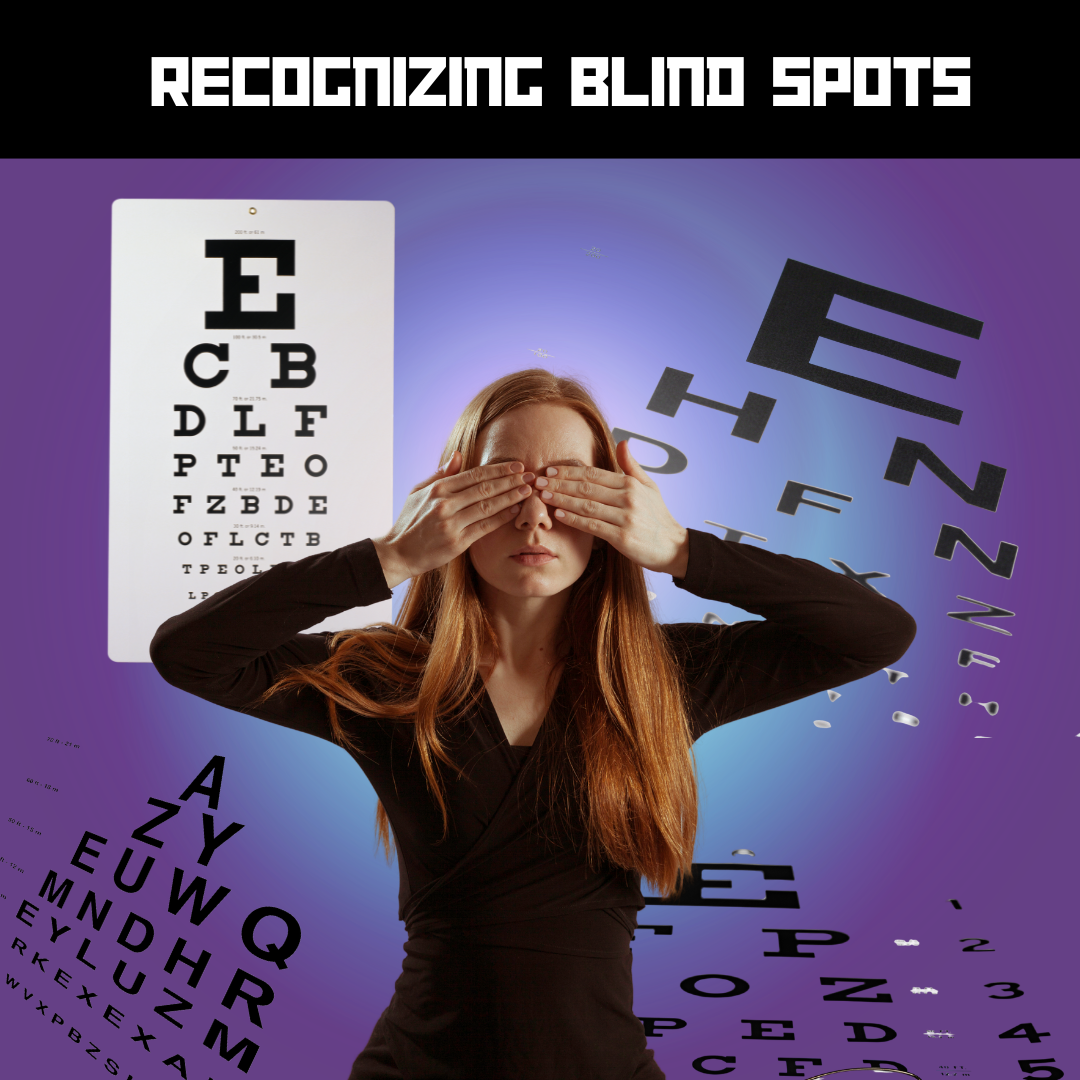
[00:00:36] Speaker B: Yes. So our episode's title today is Recognizing the Blind Spots.
[00:00:42] Speaker A: That's the thing about a blind spot. You just don't know it's there, do you?
[00:00:46] Speaker B: Yep.
[00:00:47] Speaker A: So. So there's no foul, right?
[00:00:49] Speaker B: Exactly. So think about it as the hidden traps of the spiritual awakening.
So here's a good little quote to just get us into that mood. Have you ever felt like you're growing spiritually but something in your life still isn't shifting?
Like, you understand things deeply, but your reality hasn't cut up yet?
Today we're talking about the blind spots of awakening. The places where growth can quietly turn into avoidance.
[00:01:21] Speaker A: Avoidance, wow.
I think almost everyone has felt like they're not growing spiritually as fast as they want to. You could definitely relate to that early on, and life hasn't quite shifted.
But avoidance, I didn't expect that.
Okay, so spiritual awakening isn't just about expanding upward, it's about bringing that awareness into your body. Right. We often forget the body, our choices, your relationships, your life.
So maybe we should talk about some of these blind spots first. Or do you want to keep going and dive into a little more of a.
Of a preamble about them?
[00:02:06] Speaker B: Well, I mean, we're going to get to them regardless, so it doesn't matter. We address them now or we address them later.
[00:02:10] Speaker A: But apparently I had a blind spot about that.
You steer the ship. Go ahead.
[00:02:21] Speaker B: Okay, so otherwise what happens is we feel awakened, but we're actually disconnected in new ways. And that's where these blind spots live.
So to talk about, mention a few of the blind spots is awakening without embodiment is scapism.
[00:02:41] Speaker A: So that's number one on the list. And you know, I don't think on the spiritual journey we even think about embodiment when we first start out, do we?
[00:02:49] Speaker B: No, because we don't really hear about it. Like, those are the little fine tuning parts that no one ever mentions to us. It's almost like we don't get the manual of, like, when you're spiritual awakening, these are, like, things you must be aware of, but we're not.
[00:03:05] Speaker A: And it's kind of like, well, this body thing's been with me the whole time.
[00:03:08] Speaker B: Yep.
[00:03:09] Speaker A: So no big deal.
You know, it's not part of the shift. But it is actually. You realize that in retrospect, because things are shifting at a chemical level, or you could say alchemical level.
And so, you know, some people argue that your DNA changes and everything as you go through these shifts. So, yeah, the body is very, very important. But I certainly didn't understand that at the beginning.
[00:03:31] Speaker B: I didn't either. In fact, it was kind of interesting because I was like.
I was like. I could. I could still remember the part where I was like, what is embodiment?
I mean, because it's just. You don't really hear about those words.
[00:03:48] Speaker A: Well, you got to ground that energy into your body. You know, in retrospect, I know this now because it's really. We're like walking radio towers. Our feet are, like, planted in the ground like a radio tower. And we're transmitting out of our heads. Right. We get downloads, but we're also sending uploads.
So when you start learning more about esoterics, you realize that our daily experiences are being broadcast and the universe is expanding because we're expanding. You know, when they like to say as above, so below, or microcosm, macrocosm, like.
[00:04:26] Speaker B: Yeah.
[00:04:27] Speaker A: So the body's part of that whole function.
[00:04:31] Speaker B: So the breakdown of this is like living in higher realms, ideas, downloads, and avoiding the human experience.
[00:04:41] Speaker A: I think when you're new, you think that the. The higher realms and the downloads are so much more superior.
[00:04:49] Speaker B: Yes.
[00:04:50] Speaker A: Than the body, don't you?
[00:04:51] Speaker B: Exactly.
[00:04:52] Speaker A: And that I want everything to be in the upper chakras.
[00:04:55] Speaker B: Well, here's one thing. So I was even following this guy that he's really good. And I forgot his name now. But when he came on, he was perfectly transparent. And I really appreciated that because, you know, sometimes these people are like, so high and mighty, can't be reached. But he said that when he first got started on his awakening journey, he was taught that you just focus on the higher chakras because as you heal those higher chakras, they will heal the lower chakras.
And boy, did he get a spiritual awakening on that one.
Because he said even though I connected to it and it was great and stuff, I had to go back and still do the body. Yeah. Like, work on the body and heal those chakras. And now I understand how important it is. And the reason why I'm sharing this is because I don't want people to make the same mistake I did.
[00:05:51] Speaker A: Good thing he did.
[00:05:52] Speaker B: Yeah, yeah.
[00:05:53] Speaker A: Because the grounding and embodying all that energy is just as important as being up in feeling it up in the head.
[00:06:00] Speaker B: Exactly. So one real life example is I'm above this instead of feeling pain in. Pain is.
[00:06:09] Speaker A: It's. It's a sensor. It's just a sensor to tell you something's wrong.
[00:06:13] Speaker B: And it's such a great teacher too, when you actually, like, sit with the pain of asking it, what are you trying to teach me? Like, what is it that I'm not seeing? Like, pain is such a great. Like, it's one of those emotions where it really shows you a lot more than you could possibly even imagine.
[00:06:30] Speaker A: And this is not just physical pain, emotional pain.
[00:06:33] Speaker B: Exactly.
It's almost like when you're.
When you're truly healing something, when you want to truly heal, you have to sit with your pain, with your emotional pain in order to fully grasp it and fully heal it all the way. Otherwise there's a part that you're avoiding. You're going to get part of it, but not all of it.
[00:06:52] Speaker A: Right. So that. That kind of goes back to spiritual bypassing, doesn't it?
[00:06:56] Speaker B: It does.
[00:06:56] Speaker A: And kind of like, you know, I should. I shouldn't have to feel pain because I'm so lofty now. And it's like. No. Pain is just an indicator that something needs to change. It's either something that needs to change physically or something you need, you haven't addressed emotionally.
You're smiling. What's going on?
[00:07:13] Speaker B: I'm smiling because I can hear you through this, like, next quote that says your soul didn't come here to escape being human.
[00:07:23] Speaker A: I could see, I could hear you
[00:07:24] Speaker B: say that because I think you have said it before.
Yes, we came to. To live the human experience, not to escape it.
[00:07:33] Speaker A: Exactly. And part of the human spirits is understanding pain is a sensor.
[00:07:37] Speaker B: Exactly. Yes.
[00:07:40] Speaker A: Yeah, I do say that all the time. It's like we volunteered for this video game because we're master players.
If we wanted it light and easy, we'd back it. Be a very predictable place, like the Pleiades, where everybody seemed to be very much alike. We're here to deal with poetry, polarity and strong emotions and having to feed this body and all these things that you don't experience in other places. So, yeah, we did come here for the human experience because we wanted that we really wanted to have the good game.
[00:08:12] Speaker B: Yep.
And it came into it. Came to fully enter your soul.
[00:08:18] Speaker A: Came to fully enter the game.
[00:08:20] Speaker B: To fully enter the game because it's
[00:08:22] Speaker A: exciting for soul, you know, when you're on the other side of the mirror, meaning you're not physical, you're not crystalline, you're not material.
It's boring because we. What. What did. What do we lack there?
Sensation.
[00:08:36] Speaker B: Exactly.
[00:08:36] Speaker A: Sensation comes from the body.
[00:08:38] Speaker B: Yep.
[00:08:39] Speaker A: A good meal. Yum, yum, yum. Comfy couch. How great. You know, soft velvet. Doesn't that feel good?
That doesn't happen in the spiritual world. Everybody seems to think, lena, you want to escape to the spiritual world, but no, we want to know what a strawberry tastes like.
[00:08:54] Speaker B: Yeah. You know, isn't it so interesting, though? Because at first I do remember thinking that, that it's like it's all about the spiritual world, and that's where we want to connect to and that's where we want to be. But we came here to experience it all, to experience all the emotions, and they are beautiful emotions if you think about it, because they each have a teaching to teach us.
Oh, yeah. It's not like they're just coming for no reason.
So here's a really good reflection prompt that I loved.
Where am I avoiding my human experience in the name of being spiritual?
Let that one drop.
[00:09:31] Speaker A: We did a whole episode on spiritual bypassing, didn't we?
I'll let the audience fill in the blanks because I know I've done it, and I'm sure they can think of some examples, too.
[00:09:42] Speaker B: And here's the thing, too.
As we were doing this episode, we're sharing with you guys, and we're being completely transparent about our own mistakes too, because we would never. I don't think there's anyone in this world that could say they went through their spiritual awakening and they just got it and they, like, knew everything from day one.
I mean, they can claim that. That doesn't mean it's true.
I just had. I just had to share this because it's just popping up in my head. But I just went through this class where it was about Ascended Masters, right? And they start talking about Ascended Masters and stuff, and I was like. I had to raise my hand. I was like, didn't these Ascended Masters needed to come to Earth to learn their lessons in order to get, like. So these Ascended Masters that you think you're looking up to had to come here thousands and thousands of lifetimes to get to where they're at as far as Having the knowledge. And they're like, yes, The Earth is a school for everyone. And those Ascended Masters, in order to get to that ascension period, they had to learn their lessons just like we did.
[00:10:46] Speaker A: Yeah. So they know that this. This is difficult in the material world.
[00:10:49] Speaker B: Yep.
[00:10:49] Speaker A: Yeah.
This just reminds me of my teacher, Eli, because, you know, he's. He's. He's sassy.
So he's always like, Ascended Masters, they're. They're up there. They need to come down here. I'm a Descended Master.
[00:11:09] Speaker B: And it is true. Like, we are the ones literally right now in it. Like, we're experiencing it. We're going through the tough emotions. We're. Heal ourselves.
They're there. I mean, yes, they've learned their lessons, but they're trying to coach us, they're trying to assist us.
[00:11:23] Speaker A: But are they coming back?
We came back. Yeah. I was going to say that's why he says we're the Descended Master.
[00:11:30] Speaker B: Yeah. Because I was going to say, I think they want to lose their title.
[00:11:33] Speaker A: Well, it's not even the title. It's the predictability, maybe. Yeah, we. So. So it's kind of like, give yourself a break.
[00:11:41] Speaker B: Yes.
[00:11:42] Speaker A: Because you're a master who came here, and you. If you. You're at least equal to these Ascended Masters.
Yeah.
Okay.
So the next thing that is a blind spot to uncover on the spiritual path is healing without feeling. And that would equal bypassing. Yeah, we used that term earlier.
I don't know how you can heal without feeling. I don't even know how you can even have that as a concept. But I guess that was not my blind spot. I understood all about the faith hurt.
[00:12:20] Speaker B: I have a confession. That was one of my blind spots. And the reason why it was because I was going as fast as I could because I thought, this is like, I'm gonna get it done. And I was going fast, and I wasn't fully sitting. But my thing was it wasn't. I wasn't sitting enough to fully grasp the emotional part, and I wasn't sitting enough to fully integrate it.
[00:12:45] Speaker A: You were just going to. Checklist, checklist, checklist.
[00:12:48] Speaker B: So I was like, oh, yeah. Because I did this. See, this is where it backfired on me. So after I was done with what I thought I had completed, spirit is like, well, that's great. Let's now try the next layer of those same lessons. And I was like, the next layer, what?
So what I did is healing. Is healing. When you're doing healings on things, you're going to heal things. But you heal them by layers.
So the faster you go and the more you don't sit into with the feeling, the true feeling behind it, you're gonna help with removing some layers, but guess what? They're gonna come back.
[00:13:27] Speaker A: Yes.
[00:13:27] Speaker B: You haven't healed them all the way.
[00:13:29] Speaker A: You haven't cleaned out the corners.
[00:13:30] Speaker B: So don't do what I.
What I did.
[00:13:33] Speaker A: And that's what, you know, maybe that's where the blind spot is. Because I think people knew the spiritual process, don't know about shadow work yet.
[00:13:39] Speaker B: Yeah.
[00:13:39] Speaker A: And they think it's supposed to be all love and light.
[00:13:41] Speaker B: That's true too.
[00:13:42] Speaker A: And then you find out later, well, boy, there's equal light. There's equal shadow. So. So I do need to address the shadow.
Of course. I have a psychology degree, so I'm all into this kind of healing, so maybe, maybe I was more like, let's dive in than other people.
[00:13:59] Speaker B: You had previous experience with it, so you were more aware of it.
[00:14:03] Speaker A: Yes. Plus, you know, I was the black sheep in the family, so I was always the walking shadow. Anyway, so.
Okay, so doing techniques without emotional presence. That's a good one. Yeah, that, that. When I think a lot of people do at the beginning, you know, it's like, oh, I'm going to meditate for an hour. And they just endure it. You know, it's like they're watching the clock instead of feeling the feelings.
[00:14:26] Speaker B: Right.
Or allowing themselves to not feel anything, and they just submerge into the experience. I think that anytime you go into something with having an expectation, it's not going to quite work to your advantage.
[00:14:39] Speaker A: Yeah. So no, it's good to practice the techniques. But, you know, we've talked before about how magic is intention plus emotion.
[00:14:48] Speaker B: Yeah.
[00:14:49] Speaker A: So intention on by itself doesn't yield results as quickly. Yeah.
And then labeling instead of experiencing.
Oh, gosh, that's. Didn't we talk about that in the spiritual bypassing episode too?
[00:15:06] Speaker B: Probably as part of it, I, you
[00:15:08] Speaker A: know, like identifying, like, I'm a follower of this guru or, or I follow this technique. I'm. This. I'm. I'm a starseed from this system.
[00:15:16] Speaker B: You know, this, this, and this.
[00:15:20] Speaker A: Yeah.
[00:15:21] Speaker B: Yeah.
[00:15:22] Speaker A: So you can. You can say that all you want, but have you really experienced that? You know, I think the starseed's a good example because there's so many quizzes on. On the Internet.
What kind of starseed are you? And you take the quiz and you're gonna get a different answer every time.
[00:15:42] Speaker B: Yeah.
[00:15:43] Speaker A: But people are gonna latch onto that. First one, and go. Oh, my results said, I'm a vegan. I'm a vegan, you know, or, you know, the first time. First time, I'm an Arcturian. And then you're allowing a quiz on the Internet to label you.
[00:15:58] Speaker B: Yeah.
[00:15:58] Speaker A: And then. And then you start reading about. Let's. Okay, let's go back to Arcturians. I'm reading about Arcturians going, oh, are Arcturians great? I'm one of those. Well, maybe you are and maybe you aren't. Are you feeling in your heart or is this all your head talking? Yeah, because I wouldn't trust one of those quizzes on the Internet personally.
[00:16:15] Speaker B: No.
[00:16:16] Speaker A: Yeah.
[00:16:17] Speaker B: So truth for this is you don't heal what you understand and you heal what you're willing to feel.
[00:16:29] Speaker A: Well, you heal what you're willing to feel is absolutely spot on. I do not understand the first one. You don't heal what you understand,
[00:16:38] Speaker B: meaning what you're already comfortable with and what you're going through that you think that you've healed is not.
You haven't gotten to the depth of it, of feeling it. It's just more like you have it and as an understanding, not as a deep.
[00:16:53] Speaker A: Oh, I see what they're saying. I was interpreting that differently. Okay.
All right, so what's the mini practice here?
[00:17:01] Speaker B: Sit with one emotion without trying to change it.
[00:17:05] Speaker A: That's a good point.
You know, with the tarot cards, there's 78 tarot cards, and my teacher Eli always says, these are 78 ways of being me, because we cycle all the time.
So sometimes you'll get a card like disappointment, or you'll get a card that's, you know, an emotional card that isn't like the rosiest one.
That doesn't make it a bad card. Once again, it's a sensor. It's an awareness.
So there have been times I've gotten those cards in my reading and I learned to say I am failure when I get the failure card.
I'm not pushing it away. I'm not saying it's bad. And failure just shows you what didn't work so you can move on. Right.
I am disappointed with the disappointment card. Five of cups.
Well, disappointment means I had expectations that weren't met. Now I need to re examine my expectations.
But I don't think very many people are willing to sit and feel failure and sit and feel disappointment.
They're very important part of your sensory team now. Yes. I would go for the ones that are fun too. You know, like, happiness is one of the cards. Nine of Cups. You know, focus on happiness, focus on pleasure, Six of cups. But I think that every feeling is something that you can learn from.
And so pushing the ones away that your mind is telling you, oh, no, icky, icky.
It's going to be counterintuitive to your healing.
[00:18:37] Speaker B: Yeah, I agree.
[00:18:41] Speaker A: Okay, so we're moving on to the next one, or do you want to add more to that?
[00:18:45] Speaker B: No, let's move on to the next one.
[00:18:46] Speaker A: Okay, then I will let you do so.
[00:18:48] Speaker B: All right. Peace without surrender is control.
[00:18:52] Speaker A: Dang.
You know what?
There's a lot of us who came in with the warrior spirit into this incarnation. Why did we do that? Because this is the time when we actually have the capacity to cause a big switch with humanity.
A big paradigm shift, because we're seeing the end of an empire. So I think a lot of our souls came in here and said, I'm here for the end.
I'm volunteering. Let's push it forward so something new can grow here on Earth, Something that's more cooperative.
So we came in ready to butt heads, didn't we?
So it's very hard for that kind of soul to deal with even the word surrender.
But it's true. Peace without surrender is control. All you're doing is you're trying to control, and you get hyper vigilant when you're trying to control everything.
What do you want to say about that?
[00:19:47] Speaker B: I like their first little bullet points. Says trying to force calm.
[00:19:53] Speaker A: Trying to force calm.
That's paradoxical, isn't it? It is. That's why I thought it was hilarious,
[00:19:59] Speaker B: because it is kind of funny, but it's true, too.
[00:20:05] Speaker A: Well, that would make you hyper vigilant, that's for sure.
[00:20:07] Speaker B: Yeah.
[00:20:08] Speaker A: And the next one's avoiding discomfort to maintain peace. Don't we all do that in our family lives? Growing up just to live in a house with all these siblings and avoiding discomfort to maintain peace. Oh, my gosh. We do that at work, don't we?
[00:20:26] Speaker B: Yes.
[00:20:27] Speaker A: Oh, my goodness. This is something we can all relate to.
[00:20:30] Speaker B: And then we wonder why all of our throat chakras are so closed up.
[00:20:37] Speaker A: We're trying to control these environments.
Wow, that is a blind spot.
And so here's the ugly truth. And I'm saying ugly truth for a reason.
Real peace includes chaos.
[00:20:51] Speaker B: Yeah.
[00:20:52] Speaker A: Well, that goes back to how nothing can be perfect.
Something has to have a slight imperfection to move forward. Just like, you know, DNA and genes, right?
[00:21:00] Speaker B: Yeah.
[00:21:02] Speaker A: So to be vital, something has to shift and change.
So chaos Is part of the like my guides are giving another paradox. Chaos is calm.
Chaos is what leads to peace. I get that. I get that completely. But it does seem kind of strange when you first read it, doesn't it?
You. You're starting to feel like a much more peaceful person, but you had to look at your inner chaos.
[00:21:30] Speaker B: Oh, yeah. Well, and I have to own up to the fact that that chaos was truly created by me.
[00:21:36] Speaker A: Yes.
[00:21:37] Speaker B: Because that's the other part that we don't see, is like, we first start with the blame game.
It was my mother, it was my father. It was my family.
[00:21:47] Speaker A: It's never my fault.
[00:21:48] Speaker B: It was this person's fault in my life.
And then you realize, guess what? Who decided to call that their story? Who decided to claim that is their story? Who decided to bring that as this is who I am. It's you. So guess who started the chaos.
[00:22:09] Speaker A: Valid point. Touche.
Okay, the next one when we're looking at blind spots. Do you want to read that one?
[00:22:17] Speaker B: Yeah. Hope without action is procrastination.
[00:22:24] Speaker A: We just did an episode about that.
[00:22:26] Speaker B: Yes.
[00:22:27] Speaker A: How important the aligned action is just sitting there and waiting and hoping doesn't work. And I can tell you that just from personal experience, because I was doing the matriarchal type of marketing, which is I'll just put out there what I do, and I'll wait for people to contact me and I'll just sit here quietly and. Yeah, you know, here I do readings, and here I do spirit guide drawings. And guess what? People weren't contacting me me.
Because it's not just all sitting and waiting and procrastinating. It's. It's. It's the. You got got to really ask for what you.
What you want or need, too.
[00:23:07] Speaker B: So some of these bullet points are dreaming, visualizing, waiting.
[00:23:13] Speaker A: That feels fun, though, doesn't it?
[00:23:14] Speaker B: It is to be in that.
[00:23:16] Speaker A: In that stage.
[00:23:17] Speaker B: And again, it is part of it. Like it. It does. It has a certain spot for it. It's just not the whole.
[00:23:25] Speaker A: Right. We talk about. It's not the full recipe for the cake in our other episode that it's, you know, mental plus emotional begins the magic. It's everything stirring. And then the action shows the universe you're serious about getting started.
[00:23:39] Speaker B: Y.
[00:23:40] Speaker A: So the next thing it says is that you need to take the grounded steps. So even a first step, even if it's just investigating, getting more information, that's still a first step.
[00:23:50] Speaker B: Yeah. And it's grounded. So no, like love and light is going to take care of everything for you.
[00:23:59] Speaker A: I fell for that trap.
[00:24:00] Speaker B: That is true. I think we all do in the very beginning. Because we do. We think, like, we want to see things fluffy, and we want. Like when he tried the chaos. So we're thinking the chaos is so bad that the opposite must be really, really good.
[00:24:14] Speaker A: All right, so the truth of this is alignment still requires movement.
[00:24:19] Speaker B: Yep.
[00:24:20] Speaker A: So just sitting, waiting, wishing, and hoping.
It's. It's. It's like. Just like that. Half the equation.
Yeah.
[00:24:27] Speaker B: Yep.
What is the next one?
[00:24:30] Speaker A: Okay, the next one. Self love without standards. Oh, my goodness. Equals indulgence.
[00:24:36] Speaker B: Oh, my God. And all I can think is, like, my dating history, but this is self love. Yes. But even still, like, that's how I apply it. Because think about it. Indulgence means something that you're just feeding into to kind of fill the gap. Like, just. Just like, get it filled out type thing. So it's like when you're.
When that self love is missing, the first thing you want to look for that self love to fill you in is something outside of you before, like as we start healing.
And usually it turns into relationships after relationships that become very toxic because your frequency matches.
Whatever. Like whoever you end up with during that time, that's aligned to your frequency. So again, part of stepping up and owning up to your frequency is saying, I brought this into my life because it was teaching me a lesson. We didn't see it as that at that time, but we brought it in. We magnetically opened up to receive that.
[00:25:38] Speaker A: Well, this is talking about accepting everything without boundaries. And boundaries are one of the things you definitely learned about on the spiritual path. Benevolent boundaries.
[00:25:47] Speaker B: Yes.
[00:25:48] Speaker A: You know, learning to say no in a way that the situation will not hurt you or the other people.
It's okay. It's okay. So self love without standards. Oh, my gosh.
I think that's. Most of us have these wounds that we can relate to about that.
So it's saying here that self love includes discipline and standards.
Yeah.
Yeah.
Because otherwise it kind of turns not only self indulgent, but into kind of an ego fest, doesn't it?
You know, it's like everything's about me.
[00:26:30] Speaker B: Yeah.
[00:26:31] Speaker A: I come first.
Yeah. Okay, so what's our next blind spot to uncover?
[00:26:37] Speaker B: Next blind spot is acknowledge.
Acknowledge without application.
[00:26:42] Speaker A: Not acknowledge knowledge.
[00:26:44] Speaker B: Sorry. Not acknowledge knowledge without application equals avoidance.
[00:26:50] Speaker A: Well, that's like something on the early. On the spiritual path, you read and read and read and you watch videos and videos and videos and you learn, learn, learn and learn.
But do you practice anything You've read or learned.
[00:27:03] Speaker B: Yeah.
[00:27:04] Speaker A: You're getting a lot of information and your soul's craving it, but at some point you need to apply that.
[00:27:10] Speaker B: Yep.
[00:27:12] Speaker A: I think a good example would be for me, like, I think I read and read and read about things like, you know, meditation, but did I do it?
I think most people knew on the spiritual journey probably read and read and read about meditation, but did they actually take the time to. To quiet themselves, or did they keep their mind active and read more and more about meditation,
[00:27:42] Speaker B: just consuming spiritual content endlessly and endlessly, which is what you just mentioned.
And not integrating.
[00:27:51] Speaker A: Oh, you know all about not integrating.
[00:27:53] Speaker B: Oh, yeah.
Well. And the thing is, realistically, we were to really realistically talk about. So, like, I remember there was a point of my life when I was, like, reading an average of like, three to four books a week.
And now that I think about it, because I can definitely see as, like, I wasn't integrating. So all I can think of is I probably read them, and even though, like, it made sense and I was like, oh, I like this book and stuff, it probably went away because I wasn't using that information. So what does our brain do when we bring in information that it feels useless? Like, we don't use it. We let it go.
[00:28:32] Speaker A: Yep.
Yep. There's only so much you retain.
So I think we all do that at the beginning.
So the truth is that information feels safe. Safe. But we're not looking at safety when we're trying to integrate.
[00:28:49] Speaker B: Right.
[00:28:50] Speaker A: Embodiment is uncomfortable.
[00:28:53] Speaker B: Yep.
[00:28:55] Speaker A: Because it requires effort. And the ego doesn't like that.
[00:28:58] Speaker B: No.
[00:28:59] Speaker A: Ego just wants comfort.
[00:29:01] Speaker B: Yeah.
All right, what is our next one?
[00:29:08] Speaker A: Freedom without responsibility equals chaos.
Oh, my gosh.
I'm just looking. I'm sorry, I. I'm gonna stereotype for a second because the first thing I thought of were all those, you know, hippie, dippy, ecstatic dancer type people.
And I. They're just dancing around.
And, you know, anywhere they go in the grocery store, you know, I'm just gonna be a free spirit, you know, in the bank.
I can't. I. I have a hard time with that mentality. It's like, one, it's like two, it's like no discernment.
[00:29:51] Speaker B: Yeah. But at the same time, I have to say I have never been bothered by them because how I look at them is like, well, at least they're being themselves, but however they fit under the norms of society. Function. Probably not. But is that really a bad thing?
[00:30:11] Speaker A: It can be chaos in certain venues.
[00:30:14] Speaker B: That's True, too, because I guess you're
[00:30:15] Speaker A: talking about chaos here.
[00:30:16] Speaker B: Yeah.
[00:30:17] Speaker A: There's once again, discernment. There's this time and place for everything.
Okay.
So freedom without responsibility is, you know. Yes, we all want full freedom, but it's avoiding structure.
I'm learning more and more lately about how structure is important.
So once again, that goes back to benevolent boundaries. Yeah. It's like, yeah, you can be your free spirit, hippie, dippy person, but, you know, it'd be easier if it was in a field or by the ocean.
[00:30:53] Speaker B: Yeah.
[00:30:54] Speaker A: Than here at the dentist office.
It's just a matter of, you know, learning. Learning some boundaries.
So what it's saying here for the truth is that true freedom requires self leadership, which I would equate with responsibility and discernment.
[00:31:16] Speaker B: Yeah.
[00:31:17] Speaker A: Okay.
[00:31:18] Speaker B: Yeah, that aligns with that.
[00:31:19] Speaker A: So sorry for all you ecstatic dancers out there. I think it's really cool to watch you on Alki Beach.
[00:31:26] Speaker B: Well, I don't know, because, like, I do somatic dancing every morning, but you
[00:31:32] Speaker A: do it in the privacy.
[00:31:33] Speaker B: That's true, but at the same time, because I thought about this, like I was thinking about this this morning. I was like, you know what would be really cool? Doing it in a yard with no socks on. And, like, just, like, feeling my feet on the floor. But again, I would still have my responsibilities because that's only for 30 minutes. After that, I'm just running.
[00:31:50] Speaker A: My regular light language is another really good example, because when you first start feeling light language, you just want to speak and sing it everywhere.
[00:31:56] Speaker B: Yeah.
[00:31:57] Speaker A: And so that's one of the things I had to learn. It's like, there's a place and a time to sing, say things to make those sounds, and there's times and places where it's not appropriate.
[00:32:06] Speaker B: Yeah.
[00:32:08] Speaker A: Okay. Do you want to read the next one? Now that I've lost about 800 friends who like to dance.
[00:32:16] Speaker B: You haven't lost me. And I'm like, power without restrain equals harm.
[00:32:25] Speaker A: That one hits home, doesn't it?
Power without restraint equals harm.
[00:32:32] Speaker B: Yeah.
[00:32:33] Speaker A: Well, that does make sense because it says the next one underneath that. And this does happen on the spiritual path. You start to awaken to your own power, but you do need to act with awareness, not without awareness.
[00:32:47] Speaker B: Yeah.
[00:32:51] Speaker A: Power can be intoxicating.
[00:32:59] Speaker B: Yeah. It can also be very blinded, which
[00:33:03] Speaker A: is why I'm going back to boundaries again.
Okay. I'm gonna lose 800 more friends right now.
Well, because you can abuse your power.
And so I've had talks with people who do witchcraft, binding spells, And I understand they think that they're doing something really helpful. Like oftentimes they'll try to bind a person who might be harmful to a wife, for example. Husband, Wife, the spouse. But it does impinge on people's free will.
So I've had conversations with them before, like, have you thought of the free will aspect and how you're actually violating someone's free will? And oftentimes they don't.
They don't see what I'm saying one bit. They've got their own concept. That's fine, they have their own concept, but that's the thing I'm seeing.
They're using their power. But are you using it with the awareness of what you're doing? Because when you. At least this is my understanding in witchcraft is there's a theory that if you do harm to someone else or you send harm, it comes back to you. And I've even heard three times stronger.
So why would you want to do that?
So anyway, now that I've lost 1600 friends, what would you like to say about this?
[00:34:22] Speaker B: Oh no, and the thing is, it is true as far as it comes to that.
And also I find a lot of the times that again, power without restraint. So just because you understand how to do certain things, that also means that you have more responsibility. Because what if the person that you think you're saving is going through some of their most important lessons?
[00:34:51] Speaker A: Right.
[00:34:51] Speaker B: And when you intrude into that, you're actually, you're not really helping them learn their lessons. And now when they have to face them again, it's going to be even worse.
[00:35:02] Speaker A: Which is interesting because this is saying power with restraint equals harm.
So this would be harm to that person who doesn't learn the lesson.
[00:35:12] Speaker B: Exactly.
[00:35:12] Speaker A: And then what I'm talking about, potential harm as far as. Are your intentions going to bounce back to you.
[00:35:18] Speaker B: Exactly. Harm to yourself.
[00:35:20] Speaker A: This is quite a warning here. Power without restraint. Restraint equals harm.
[00:35:24] Speaker B: Yep.
[00:35:25] Speaker A: So what does it say about the truth here? Because I think that really hits home. Do you want to read that?
[00:35:29] Speaker B: Uh huh. Power must be grounded in integrity.
[00:35:32] Speaker A: Integrity.
And honestly, the people who do the binding spells, they do feel like they're working in integrity. I'm going to give them credit for that. I've talked to them, I've understood where they're coming from.
I just see a slightly different picture. Yeah, yeah.
[00:35:49] Speaker B: Well, more like you have to look at the bigger picture. That's probably what you're like more like talking about.
[00:35:54] Speaker A: Well, here's what I think. I think I Probably did the same thing in past lives. And I've just learned a lesson they haven't learned yet.
And that's okay because they've learned lessons I haven't learned yet.
[00:36:03] Speaker B: Well, let's be real. Like, there's no way you can have Egyptian lifetimes, which you mostly have, and say, oh, I was working for the light. Because most Egyptians lifetimes were about working with the dark.
[00:36:13] Speaker A: Oh, every one of those royalty was trying to kill each other.
[00:36:16] Speaker B: Yeah.
So just to be fair, I'm sure
[00:36:21] Speaker A: I poisoned you at some point.
[00:36:23] Speaker B: Oh, probably. And I'm sure I've killed you and somebody.
[00:36:25] Speaker A: You probably put a dagger in my back.
[00:36:26] Speaker B: Yeah, probably.
But we came to learn.
[00:36:30] Speaker A: But we learned about harm and power, didn't we?
[00:36:33] Speaker B: Yes, we did. So that's why it served a greater purpose.
[00:36:37] Speaker A: And they certainly did their magic rituals.
[00:36:39] Speaker B: Yes.
[00:36:39] Speaker A: Yes.
Okay. Well, at least we could laugh about this.
[00:36:43] Speaker B: Yep.
[00:36:43] Speaker A: All right, what's the next one?
[00:36:45] Speaker B: Trust without boundaries is self betrayal.
[00:36:50] Speaker A: That's a biggie, isn't it?
[00:36:52] Speaker B: Yeah.
It's so weird because immediately, like, what this brings up is, I hate to say it, but, you know, like. And I. And I'm not at all, like, I've been there, so I know exactly what it feels like. But because I learned what it feels like is I've learned, like, the deeper lesson of it. Because when I was growing up, I was in a relationship where I trusted this person, and it just completely destroyed, like, everything. And I. And I felt that most. Probably the most self betrayal I've ever done to myself has been trusting somebody else over my own thing or putting someone's needs before mine.
[00:37:37] Speaker A: Yeah. Now that's an everyday example. But this is saying that this is one of the biggest things for intuitive people and sensitive people is over trusting.
[00:37:46] Speaker B: Yeah.
[00:37:47] Speaker A: And I know I've fallen into that. And I think that can happen a lot on the spiritual path with teachers and gurus.
[00:37:56] Speaker B: Oh, yeah.
[00:37:58] Speaker A: Where you just trust what they're saying so much that you. You kind of forget to even question and use your cognitive abilities to really listen to what they're saying. It's like you just swallow it up whole.
[00:38:10] Speaker B: My whole thing is like, I really have an issue when people say, like, well, it's a guru. They've dedicated their whole lives of this amount of hours by themselves and everything.
And I'm thinking, like, to myself, they're still human.
[00:38:28] Speaker A: But see, that's the point. You're over trusting. You're seeing them as greater than you.
They have sage advice that, you know, they're loftier than I am.
[00:38:41] Speaker B: And that's the other thing, too. Like, even with intuition, like you said, or with gifts and stuff, where are you at? Where is your energy at when you're receiving those messages? Because that tells you a lot about how much you should really trust that message or shouldn't trust that message.
[00:39:01] Speaker A: Well, that's why the next part here is saying that people tend to ignore the red flags. And I think that's because you're projecting onto other people.
And then that goes back to what you're saying, too, because you need to run it through your head and your heart.
[00:39:18] Speaker B: Yep.
[00:39:21] Speaker A: Rather than just surrender your cognitive functions, because this is a spiritual path. So, you know, how could you even question that, you know? Well, a good example is what you told me you went to go see somebody that I had heard on the spiritual path was not worth trusting, to be honest with you. But you went anyway, and you had a good experience.
But that was a red flag for me.
[00:39:52] Speaker B: Yeah.
[00:39:52] Speaker A: Merely because the people who had brought that up was more than one person, and people of whom I find they're usually pretty on target.
And that's okay. I'm not saying this person's a bad person that you went to see and that you had a good experience. I'm just saying my red flag was like. Yeah, because something in me feels a little hinky when I tune into that person. I just. It's. This is not the one for me.
So those are the kind of things that you do need to pay attention to personally.
[00:40:25] Speaker B: Yep.
[00:40:26] Speaker A: So the truth is, boundaries are spiritual.
We don't think about that, do we, on the spiritual path about boundaries.
Okay, do you want to read the next one, or do you want me to read it?
[00:40:40] Speaker B: You can read it.
[00:40:41] Speaker A: Okay. So the next potential blind spot to uncover is that sensitivity without regulation equals overwhelm.
Every empath knows that that was me yesterday.
What do you want to say about that?
[00:41:01] Speaker B: So, well, first of all, let me just connect with this thing for a second.
[00:41:06] Speaker A: Okay. Well, while he's doing something over there with his phone, it's talking about, you know, feeling everything. So that's what. Like empaths, right.
I get totally overwhelmed in certain places. I know I can't go into them unless I do a lot psyching up beforehand and not knowing how to ground. And I think that is one of the things we forget about early on in the spiritual path, too, is to ground that energy so that we. Not, especially for empaths, that we're not hit by energy that makes us Feel off kilter so quickly.
[00:41:42] Speaker B: So what I was going to say share is that. So, like this last weekend, for example, I did some spiritual thing on Friday. I did a sound healing on.
No, sorry, on Saturday. And then I did a sound healing on Sunday.
And then I did an intuitive journey class that evening.
And I did a healing session on Monday. And on Tuesday, which was yesterday, I was so overwhelmed with energy in general that all my body wanted to do was sleep. And it was so interesting because it was so much energy that it first didn't allow me to sleep at night. I remember waking up in the middle of the night and not being able to get back to sleep till two hours later. I got done with work, I went straight to sleep, and I woke up and I still felt super overwhelmed. So sometimes when this happens, we have to take it upon ourselves to do be like, okay, how can I shift this? How can I actually feel like, get back to being myself? And I have so much of this, like just over excessive energy. And then to top it off, Tuesday was a very high, energetic day, meaning the Schumann resonance was really spiked up.
So all that combined and adding to it, I was not feeling. I was so overwhelmed and there was so much energy and out of the blues, thank God.
But I just started, like, decided to do art. So I was coloring and stuff, and that helped me tremendously. That was what was able. I was able to ground the excess energy. I was able to use that energy into putting it productive into something.
And it made a huge difference for me.
[00:43:37] Speaker A: Yeah. So regulation's really important, whether you're an empath or you just push, push, push, push, push, like you did this week. Yeah. So the tools are breath work.
[00:43:48] Speaker B: Yes.
[00:43:49] Speaker A: As a way to self regulate.
[00:43:50] Speaker B: Yep.
[00:43:52] Speaker A: And body awareness, which you've been doing with your dancing and somatic and even feeling your feet on the. On the ground.
That's body awareness.
And body awareness is also you recognizing you were tired.
[00:44:07] Speaker B: Yep.
[00:44:09] Speaker A: And then stepping away from stimulation, which I know it can be a bummer sometimes. It's so fun to be in the stimulation, isn't it?
But there's a point where it's overload, isn't it?
[00:44:20] Speaker B: Yep.
[00:44:22] Speaker A: Okay. Do you want to talk about the next potential blind spot?
[00:44:26] Speaker B: So the next potential blind spot is spirituality. Without integration, it's equal to dissociation.
[00:44:39] Speaker A: That's a big word. Dissociation.
[00:44:41] Speaker B: Yeah.
[00:44:43] Speaker A: Okay. That kind of goes to discernment again, isn't it?
[00:44:48] Speaker B: Yep.
[00:44:48] Speaker A: What do you want to say about that?
[00:44:51] Speaker B: Um, it's interesting because Oli comes up to Me, like, for example, there's so many of us that, like, when you meet him on your spiritual journey, they're like, oh, I was this person in this past lifetime, so it's such an honor, and I'm so this and that.
The truth is, you were an aspect of that. And, yes, it's that. We're not saying that you weren't, but you're yourself now, and it's more about what experience you got from that. That help you out now or what did you learn from that lifetime? And a lot of the times, people disassociate completely by thinking, I'm so high and mighty. Oh, look at me. When really they're missing the point. We're here to experience. We're here to learn lessons, and we're here to feel our emotions. And that is all of it. So those past lifetimes, no matter how powerful you were, they were serving you as a lesson. They weren't just there for you to feel all high and mighty about.
[00:45:58] Speaker A: They're stepping stones to who you are now. That's a good. That's a good example of that, because they're saying about, you know, this would be about living above reality, so.
And then being disconnected from the body.
That's another thing about integration, too. You know, we talked about that earlier, you know, thinking that you had to be. You have to be all in the, you know, high spiritual realms and, you know, forget that we're walking around on this planet in material form. Right.
[00:46:27] Speaker B: Mm.
[00:46:29] Speaker A: So there's a couple more to go through on our list.
So the next one is love without presence is abandonment, Abandoning yourself.
[00:46:50] Speaker B: Yep.
[00:46:52] Speaker A: Love without presence.
Honestly, that makes sense, because you have to embody love, don't you?
To feel it, you have to be present, but even.
[00:47:03] Speaker B: Even.
Even bigger. And what I'm looking at and what I'm getting from it is.
Which is part of our healing. And people aren't gonna like this, but I didn't like it when I heard it. But love starts with you first. So if you're not giving yourself that self love, guess what?
Those people that you think that you're loving, you're giving them partial love.
But it's not complete love until you fully learn what love is, meaning you truly love yourself first. Can you give that to someone else?
[00:47:38] Speaker A: And that spiritual journey is about self love because we're built from love. There's a reason we're here.
Source wants to experience itself and wants to experience itself through senses, which is why we're immaterial.
And so it is an act of love for source to bring us to this material world.
[00:48:01] Speaker B: Yeah.
[00:48:02] Speaker A: So it can experience love as well. It can feel love.
[00:48:06] Speaker B: And so if love is without presence is abandonment.
That means if you haven't learned how to love yourself, you have been abandoning yourself. So if you have abandoned those parts of you, you're not even coming in whole to experience true love with others, whatever, in whatever way it might be. Because it doesn't just have to be relationships. It can be friendships. It can be.
[00:48:32] Speaker A: Well, and this is implying, too, that you're looking for someone else to complete you.
[00:48:35] Speaker B: Exactly.
[00:48:36] Speaker A: Because you're feeling incomplete yourself. That's the abandonment.
[00:48:40] Speaker B: Yep.
[00:48:41] Speaker A: That's a big one. Okay.
[00:48:43] Speaker B: That is a big one.
[00:48:44] Speaker A: Anything else you want to say about that?
[00:48:48] Speaker B: Did I have to live this lesson over and over until I realized I
[00:48:52] Speaker A: think most of us have.
[00:48:55] Speaker B: I know I can laugh about it now because I cried plenty.
[00:48:59] Speaker A: I was saying mantra in the shower yesterday. I am love. Because I. I was born of love.
[00:49:05] Speaker B: Yeah.
[00:49:05] Speaker A: I had to convince myself of that. I kept saying, I am. Oh, by the way, speaking in the shower, it's just like speaking into your water. You're programming the water. So that's why I was doing those mantras. Okay.
All right, so the next one. Do you want to say the next one?
[00:49:20] Speaker B: Yep.
Confidence without grounding is arrogance, boy. Is that true?
[00:49:28] Speaker A: That was me for most of my beginning spiritual journey. I don't need a ground. I'm not into grounding. I don't want to be on Earth.
But it does. Yeah. It's so much more balanced when you. When you are on Earth. And that was arrogant. I'm better than this. I don't need to be grounded.
[00:49:49] Speaker B: So my two rules of thumbs. How when I'm, like, just doing things and stuff, if I feel way off, if my body feels off, if I feel way off, it's gonna be two things.
One, do I have an entity? Two, have I grounded today?
[00:50:08] Speaker A: I would say most of the time, it's probably two.
[00:50:11] Speaker B: Yep. It's true. Like, grounding is so important.
What people don't understand is that.
So this is just me sharing, like, what I've learned.
We wake up in the morning, we want to get, like, cleared up and everything. And we get cleared up. We want to connect to source, and we want to be in.
In this place where we're feeling so great and everything.
And then I would sometimes forget to ground and think of how not solid that is, because you have all these ideas, all these great ideas, and you feel so great and everything. But none of it has been grounded. So guess what happens to your so called prep before you go experience the 3D world when there's no grounding involved? It just goes so fast. It's almost like you just wasted that time. Because the first negative thing that's going to happen, it's gonna create chaos because it's gonna be a whole shift. And you have. You haven't grounded any of those good feelings, so now you're getting exposed to negativity and everything because it wasn't grounded. It just goes so fast, and it'll flip you so fast that it's like a whiplash effect.
[00:51:30] Speaker A: Yeah. And in this case, with confidence, without grounding being arrogance. That sounds like an inflated ego to me.
[00:51:38] Speaker B: Yeah, well, in with the arrogance, you're not going to make a lot of friends.
[00:51:43] Speaker A: Not on the spiritual path. No, No. I mean. Well, no. I mean, they'll.
They won't dislike you intensely. It's just more like. Okay, that's not the right vibe. Yeah, exactly.
[00:51:56] Speaker B: I'm just gonna ignore you.
[00:52:01] Speaker A: All right, Growth without discomfort. That's the next one. Growth without discomfort is illusion. Oh, my God. That is the whole entire spiritual journey in the shadow work, isn't it?
[00:52:13] Speaker B: Yeah.
[00:52:15] Speaker A: Oh, well, you talked about that with, you know, the snake shedding its skin and the caterpillar dissolving itself.
[00:52:23] Speaker B: Yeah.
[00:52:23] Speaker A: That's what we're doing.
So we have to have the discomfort.
[00:52:27] Speaker B: Yeah.
[00:52:28] Speaker A: So that we can grow and see past the illusion.
You know, one of the biggest illusions is comfort.
[00:52:35] Speaker B: Yes.
Well, in the discomfort is the reason why I feel so discomforting is because it's the thing, the things you've been doing over and over that haven't worked for you. So this comfort of shedding those, it's like that's what you're holding on for dear life. Because that's like your comfort blanket.
It's almost like you guys have seen Snoopy, you know, like, is it Linus?
[00:53:01] Speaker A: Linus.
[00:53:01] Speaker B: Linus with his little blankie. That was his comfort blankie.
So if somebody took that away from him, he would not be comfortable.
[00:53:09] Speaker A: It's the same thing.
No.
And the discomfort is what actually brings the push through out of the discomfort. Yeah. You know, it's actually more uncomfortable to stay where you are than to push through it.
So it is an illusion, isn't it?
[00:53:30] Speaker B: It is a complete illusion.
[00:53:33] Speaker A: Wow. Well, do you want to read the last one on our list?
[00:53:37] Speaker B: Sure.
Desire without honesty is self deception.
Ooh.
[00:53:45] Speaker A: That's what's going back to integrity again, isn't it? An authenticity.
[00:53:49] Speaker B: Yeah.
It's funny because you know, I hear so much. Especially when you're working on manifesting and stuff. There's a lot of like, what's your desires? Well, you can have desires like you can say like I want this amount of money and we just talked about it before, but it's a desire and if it's not being honest in align with you, it's self deception because you're really, you're not going to land that because it's not aligned with you to be landed, it's not aligned with you to receive it.
So when you're not even honest about what you truly want out of life, you're kind of, you're just like the biggest deception you're doing is on yourself because the universe sees you clearly, sees your energy clearly. So when you're not being honest with yourself, the universe sees that and it's delivering on that too
[00:54:48] Speaker A: well. And then I'm just kind of thinking about honesty because somehow at a soul level, or even not soul, let's just say subconscious level, you know, when what you desire doesn't feel honest even though you're telling yourself it. So here's the classic example.
I'm a 14 year old girl and I want to marry the rock star on, on the poster on my wall.
And your subconscious is going, oh no 14 year old girl. No, but 14 year old girl is going, but that's what I desire.
[00:55:27] Speaker B: Right.
[00:55:27] Speaker A: That's the deception.
No, you really seriously, your, your, your soul and your, and your subconscious knows you are not getting near that 42 year old man.
Right. To the 14 year old girl or even the 28 year old man. Right.
[00:55:45] Speaker B: Yeah.
[00:55:46] Speaker A: Don't you think that's a good example?
[00:55:48] Speaker B: That is a good example.
Talk about. Yeah, a mismatch too.
[00:55:55] Speaker A: But the 14 year old girl thinks, oh, you know, they're projecting onto the guy on the poster. It's gonna be so wonderful. So. But deep down she knows, honestly that's not, that's not right for her.
And so that would be self deception. That's what came to mind.
[00:56:13] Speaker B: Yeah.
[00:56:13] Speaker A: When you mentioned that.
[00:56:14] Speaker B: No, that makes sense. That totally aligns too with what we were talking.
[00:56:19] Speaker A: Yes. So in closing, that was a lot to think about, you know. And I love how you say when I'm pointing at you, there's four fingers pointing at me. Yeah, there was four fingers pointing on me on a lot of these and for you too. So we're not casting dispersions on anyone here. I can definitely see that. All as part of my personal growth.
[00:56:40] Speaker B: Oh, I love this little closing thing that says awakening is not about becoming something higher, it's about becoming fully here.
[00:56:50] Speaker A: Yes.
Mind, body, spirit. The body's part of that, right?
[00:56:55] Speaker B: Yep.
So that means fully in your body, fully in your truth, and fully in
[00:57:03] Speaker A: your responsibility, which I'm going to go back to discernment.
Okay. Because that's where your power actually lives. Body, truth, responsibility.
[00:57:15] Speaker B: Yep.
[00:57:17] Speaker A: So you're not here to escape this life. You're here to embody something deeper within it.
[00:57:24] Speaker B: Yep.
[00:57:26] Speaker A: And on that note, I would like to embody gratefulness to our friend. Mixed by Bruce.
[00:57:33] Speaker B: Yes.
[00:57:34] Speaker A: Thank you for fixing our sound. And if you ever want someone, if you're a musician, we can hook you up with this guy because he.
[00:57:42] Speaker B: It's really any of your sound needs because he's. When he advertises, he can help you out with any sound needs you may have.
[00:57:48] Speaker A: So he helps with the podcast. He helps people who are artists as well.
[00:57:52] Speaker B: Yeah. And create music too.
[00:57:54] Speaker A: Yes. And I also want to thank my co worker. Or not co worker. Co host here, Amaral.
[00:58:00] Speaker B: Oh, thank you. And I want to thank Lola for being such a great co host as well.
[00:58:06] Speaker A: Well, so I guess we're not. We don't have blind spot. Blind spots when it comes to our. Our gratitude.
[00:58:11] Speaker B: Yes.
[00:58:12] Speaker A: All right, we'll see you guys next week.
[00:58:13] Speaker B: Thank you for tuning in. Don't forget to share.
[00:58:16] Speaker A: Hi. Hi.